
Precision Medical Components: Trusted Professional Printed ECG Electrode Supplier Suzhou Menhow with ISO13485


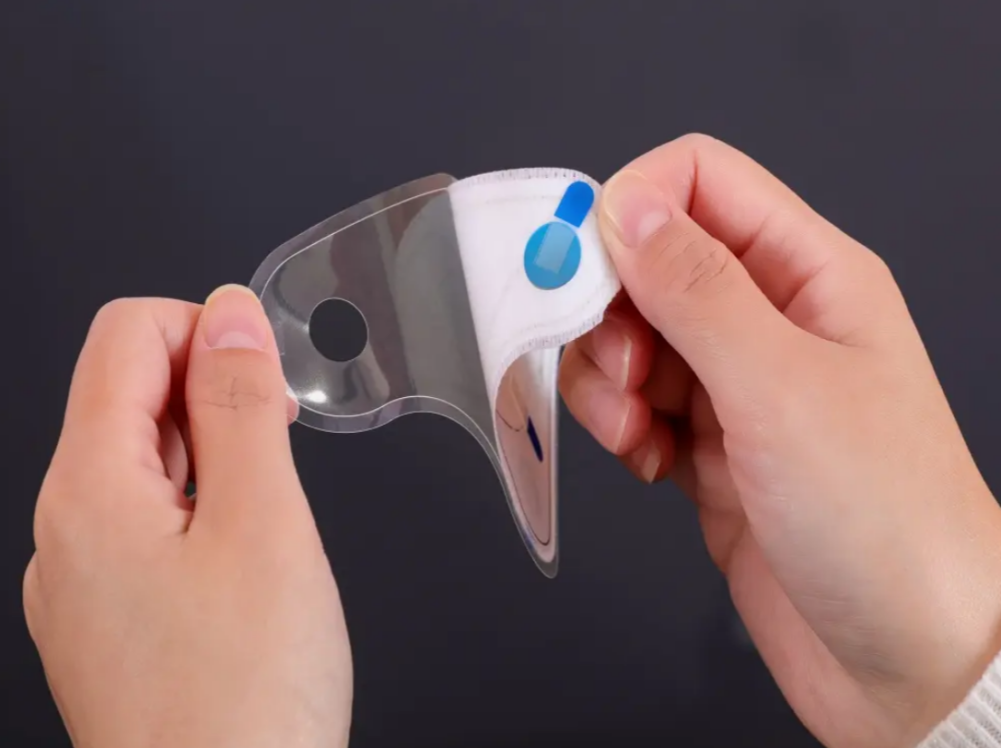
(YorkPedia Editorial):- Suzhou, Jiangsu Aug 2, 2026 (Issuewire.com) – Modern clinical diagnostics and wearable healthcare monitors depend heavily on the continuous availability of physiological signals. In fields like long-term ambulatory electrocardiogram tracking and remote electromyogram analysis, standard hard components often struggle to maintain consistent contact with moving skin. This limitation can cause signal drift or data gaps. Addressing this specific challenge requires flexible bioelectrodes that offer thin profiles, comfortable skin compliance, and stable signal capture. Original design manufacturers with specialized production capabilities help medical brands move these designs from development to mass production. Within this specialized field, Suzhou Menhow Electronic Co., Ltd. serves as an engineering and manufacturing partner, specializing in custom printed electrodes, flexible sensors, and precision components that meet strict healthcare standards.
The shift toward light, skin-friendly patches highlights the practical benefits of additive manufacturing for medical devices. Traditional silver-plated plastic snaps can feel heavy and are prone to motion artifacts during daily use. In contrast, components from a professional printed ECG electrode supplier rely on advanced screen printing to apply functional inks onto ultra-thin substrates. This process yields flexible bioelectrodes that adjust seamlessly to the body’s natural contours. Suzhou Menhow utilizes screen printing and flexible material processing to manufacture high-precision circuits, thin surface laminations, and durable layer assemblies. These techniques help medical hardware companies improve patient compliance during multi-day cardiac monitoring studies.
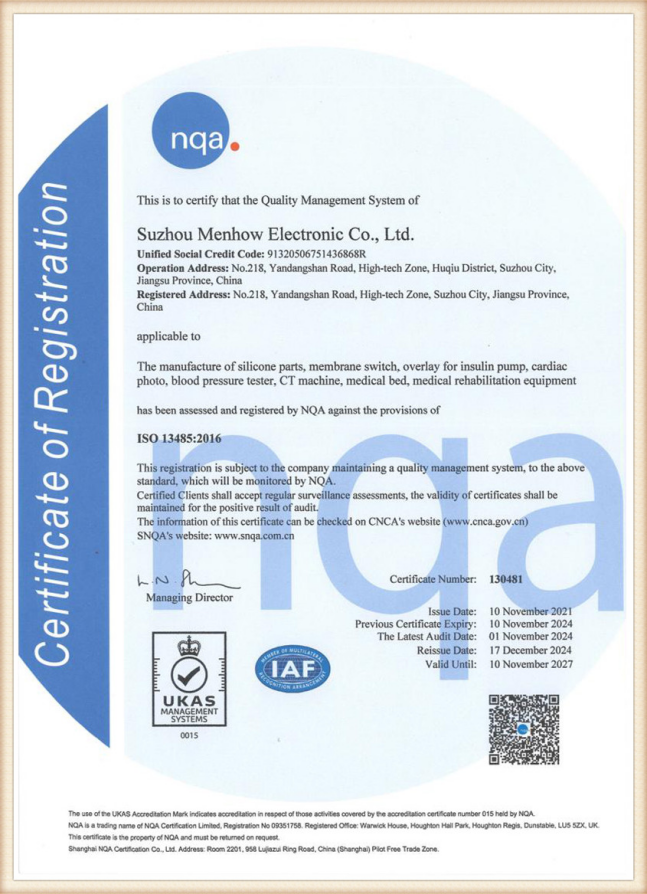
Understanding ISO 13485 Certification in Bioelectrode Procurement
Selecting a printed ECG electrode supplier involves careful evaluation of regulatory compliance and manufacturing quality. The ISO 13485 standard provides a dedicated quality management framework for the medical device sector. Unlike general manufacturing protocols, this certification demands complete control over every stage of a product’s lifecycle. It enforces strict guidelines for product safety, comprehensive risk management, cleanroom environment controls, and deep batch traceability. Every single raw material lot–such as medical-grade adhesives, conductive silver or silver chloride inks, and substrate materials–must undergo structured incoming inspections and formal verification before entering production lines.
For medical original equipment manufacturers and device brands, sourcing from an ISO 13485 certified partner like Suzhou Menhow Electronic Co., Ltd. helps streamline the regulatory approval pathway. The certification ensures that critical production variables, including ink deposition thickness, drying oven temperatures, and lamination pressure, are recorded and monitored continuously. This thorough documentation provides the clear data trails needed during formal audits by regulatory bodies like the FDA or European notified entities for CE marking. Working with an accredited manufacturer minimizes compliance risks, prevents unexpected batch variations, and helps avoid costly regulatory hurdles during clinical validation phases.
Structural Breakdown and Functional Advantages of Screen-Printed Electrodes
Modern flexible bioelectrodes feature a highly functional, multi-layered design. Each distinct layer serves a clear purpose in maintaining mechanical flexibility and ensuring clean signal transmission:
- Medical Substrate Layer:A thin, flexible film made of polyethylene terephthalate (PET) or thermoplastic polyurethane (TPU) provides the mechanical foundation for the electrode.
- Conductive Layer:Fine silver and silver chloride (Ag/AgCl) traces are printed directly onto the substrate to create the primary electrical path.
- Conductive Hydrogel:A biocompatible gel layer establishes a stable electrical connection between the patient’s skin and the printed conductive traces.
- Medical Pressure-Sensitive Adhesive:A gentle, skin-safe adhesive layer ensures the patch stays firmly attached to the body during movement.
- Release Liner:A protective, peelable paper or film layer shields the adhesive and gel from contamination prior to clinical application.
Medical brands can customize this structural layout to fit their exact specifications. Adjusting the shape, physical dimensions, trace routing, and connector configurations helps tailor the components to unique monitoring devices.
This multi-layer approach offers distinct functional advantages over conventional mechanical electrodes. The thin profile of printed components provides excellent skin compliance, minimizing gaps caused by body movement. This close fit significantly reduces motion artifacts, ensuring clean signal baselines during physical activity. From a manufacturing standpoint, roll-to-roll or high-volume sheet-fed screen printing provides an effective way to scale up production. This technique delivers consistent electrical performance across thousands of units while helping to lower manufacturing costs. Because these ultra-thin layers integrate easily with miniature wireless transmitters, a trusted printed ECG electrode supplier can provide components that combine sensing, routing, and skin attachment into a single disposable patch.
Practical Integration in Clinical and Remote Healthcare Monitoring
These functional advantages translate directly into practical benefits across various clinical applications. In long-term Holter monitoring, thin adhesive patches help track heart rhythms over several days or weeks without irritating the skin. Similarly, in rehabilitation therapy, custom flexible sensors capture clean surface electromyography signals from specific muscle groups to track patient recovery. The material choice and precise trace layout also support reliable sleep study monitoring, where lightweight patches capture electroencephalogram signals without disrupting patient rest.
Beyond diagnostic monitoring, these flexible assemblies support therapeutic applications. The uniform ink distribution achieved by Suzhou Menhow prevents uneven current densities, making the technology well-suited for transcutaneous electrical nerve stimulation and functional electrical stimulation. These therapeutic devices rely on stable electrical delivery to relieve localized pain or stimulate specific muscle tissues safely.
Technical Collaboration and Customization Opportunities
The growing need for non-invasive health tracking requires close technical alignment between device designers and manufacturing partners. Suzhou Menhow Electronic Co., Ltd. combines specialized precision printing with flexible material conversion to deliver dependable, single-source component production. The company’s engineering team supports clients through material selection, ink evaluation, prototype creation, and automated manufacturing scale-up.
As a dedicated development partner, Suzhou Menhow helps medical device brands integrate advanced sensors and custom flexible circuits into their product lines. By combining an established ISO 13485 quality system with deep technical expertise in flexible electronics, the company provides the reliable components needed to advance modern patient monitoring systems.
Medical device engineering groups and hardware brands are invited to request technical consultations, evaluate physical material samples, and explore custom manufacturing options through the official website: https://www.menhowsz.com/
Media Contact
Suzhou Menhow Electronic Co.,Ltd
+86 13913156123
No218,Yan Dang Mountain, High-Tech Area , Suzhou City , China
This article was originally published by IssueWire. Read the original article here.
